General Dentist Aurora: Understanding the Basics of Everyday Dental Care
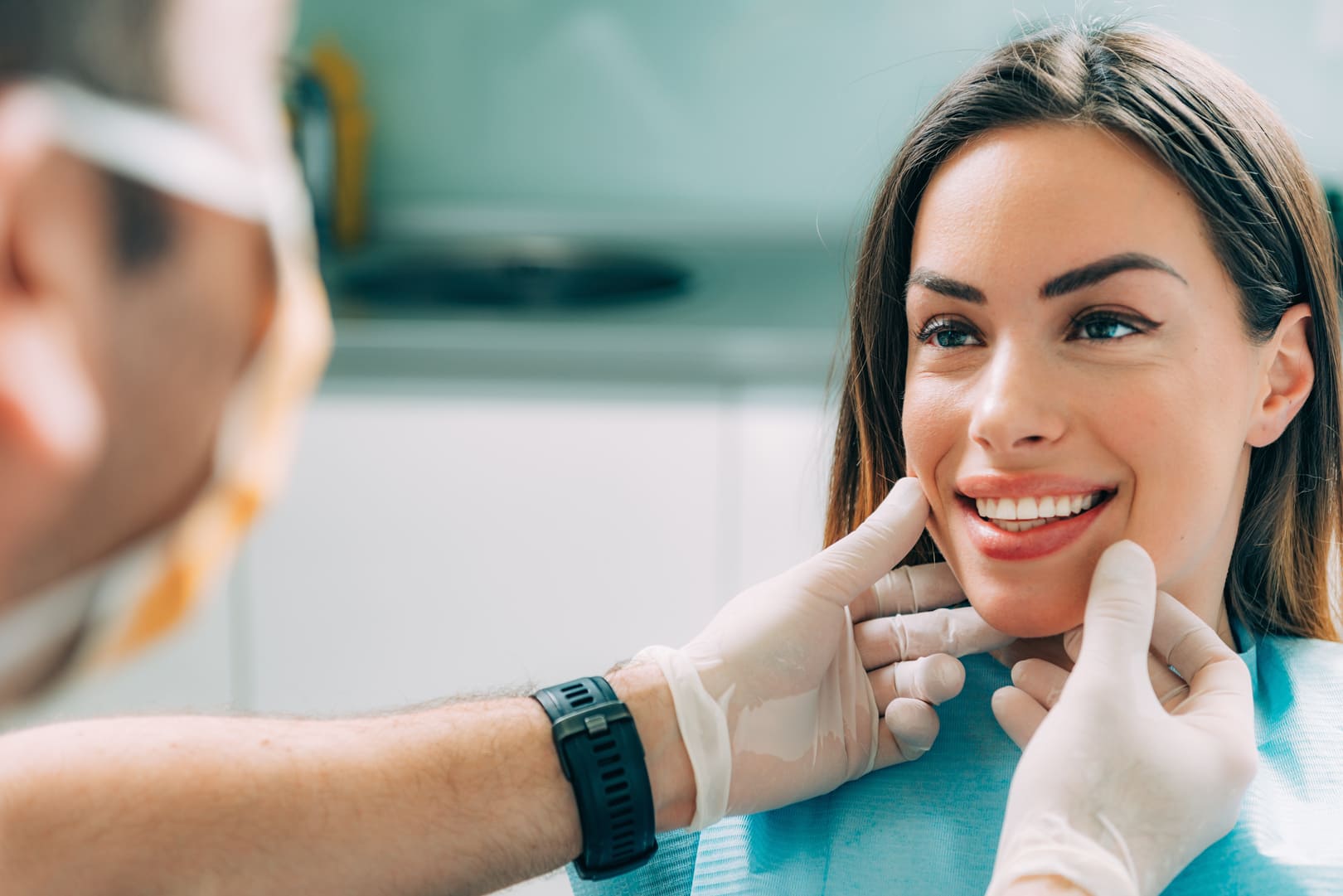
A healthy mouth is not built in the dental chair alone. It is shaped by ordinary habits, small course corrections, and the kind of preventive care that rarely feels urgent until something starts to hurt. That is why general dentistry matters so much. It sits at the center of day to day oral health, handling the checkups, cleanings, fillings, examinations, and practical guidance that keep small issues from becoming expensive ones.
When people search for a General Dentist Aurora, they are often looking for more than a place to get their teeth cleaned. They want a practice that can manage routine care with skill, catch problems early, explain options clearly, and help the whole family stay on track. General dentistry is where most dental relationships begin, and for many patients, it is where they remain for years.
The basics of everyday dental care sound simple on paper. Brush well. Floss daily. Show up for regular visits. Limit sugar. Those points are true, but they are also incomplete. Real life gets in the way. Parents rush children out the door. Shift workers eat at odd hours. Teenagers wear aligners and forget to clean them properly. Adults grind their teeth during stressful stretches and do not realize it until a molar chips. Good dental care has to work in those real conditions, not in an idealized version of them.
What a general dentist actually does
A general dentist is the primary care provider for your mouth, teeth, and gums. That role covers much more than polishing teeth every six months. A well run general practice handles preventive care, diagnosis, restorative treatment, patient education, and long term monitoring of oral health changes over time.
At a routine visit, a general dentist is assessing more than surface cleanliness. They are looking at gum health, signs of decay, the way your teeth come together, the condition of existing fillings or crowns, tissue changes inside the mouth, enamel wear, recession, jaw tension, and clues about habits such as clenching or mouth breathing. In children, they watch how the teeth and jaws are developing. In older adults, they may track dry mouth, root exposure, worn dental work, and the changing needs that come with age.
This broad perspective is one reason continuity matters. A dentist who has seen your mouth regularly over several years often notices subtle changes faster than someone seeing you for the first time. A tiny fracture line, a gum area that has slowly deepened, a crown that is starting to loosen, these details are easier to spot when there is a baseline for comparison.
General dentists also coordinate care when a specialist is needed. If wisdom teeth are impacted, a tooth needs a root canal, gum disease is advanced, or bite problems call for orthodontic input, the general dentist usually guides that next step. For most people, this is the office that helps them make sense of the bigger picture.
The value of ordinary preventive care
Preventive care can feel unremarkable because its best outcome is quiet. No emergency. No swelling. No sudden pain that ruins a weekend. No cracked filling discovered while chewing lunch. Yet the ordinary appointments, especially checkups and professional cleanings, are where many costly problems are prevented.
Plaque is soft and can be removed at home with thorough brushing and flossing. Tartar, once it hardens, cannot be brushed away. It needs professional instruments. Even patients with good habits can accumulate tartar in places that are hard to reach, especially behind lower front teeth and around the upper molars. If that buildup remains, the gums become irritated, pockets can deepen, and early gum disease may develop with very little discomfort.
Tooth decay often behaves quietly too. A cavity between teeth may not be visible in the mirror, and it may not cause pain until it has progressed well past the earliest stage. Bitewing X rays, when taken at appropriate intervals, help detect these hidden areas. Some patients resist X rays because they feel fine. The problem is that feeling fine is not a reliable diagnostic tool in dentistry. Teeth can deteriorate in silence for a long time.
Preventive visits also create opportunities to adjust home care before damage progresses. A patient with gum recession may need a softer brushing technique. Someone with frequent cavities may be sipping sweetened coffee all morning and bathing the teeth in sugar without realizing the effect. A teenager with white spots around orthodontic brackets may need a different hygiene approach before those areas turn into permanent decalcification marks.
Brushing well is more technical than most people think
Almost everyone knows they should brush twice a day, but many adults still brush too hard, too fast, or too casually to get the result they expect. Technique matters, and so does consistency.
A soft bristle toothbrush is usually the best choice. Harder bristles do not clean better, but they can contribute to gum recession and abrasion near the gumline if used aggressively. Electric brushes can be very effective, especially for patients who tend to rush or use a scrubbing motion, but a manual brush can work perfectly well in careful hands.
Two minutes is a useful benchmark because it forces enough time for coverage. Many people estimate two minutes and actually brush for 40 or 50 seconds. That gap adds up. The outer surfaces get attention, the chewing surfaces get a quick pass, and the inside surfaces, especially behind the lower front teeth, are neglected. Over months and years, those neglected areas tell the story.
Toothpaste choice matters less than people assume, with a few exceptions. For most adults, a fluoride toothpaste is a sensible baseline. Patients with sensitivity may do well with a desensitizing formula, but they often need to use it regularly for a period of time before noticing a difference. Whitening toothpastes can help with surface stains, though some are more abrasive than ideal if used heavily by someone already dealing with enamel wear or recession.
There is also a timing issue that surprises people. After consuming acidic drinks or foods, such as soda, sports drinks, citrus, or wine, it can be better to wait a bit before brushing. Acid temporarily General Dentist Aurora softens the surface of the enamel, and brushing immediately may increase wear. Rinsing with water and brushing later is often the gentler approach.
Flossing is not optional, even for people who brush carefully
If a toothbrush cannot clean between the teeth effectively, those surfaces rely on floss or another interdental aid. This is not a marketing line from the dental industry. It is a straightforward mechanical reality.
The classic example is the patient who brushes faithfully, has fresh breath, and still develops cavities between the molars. The reason is simple. Those side surfaces are touching areas where bristles do not reach well. Food debris and plaque sit there undisturbed, especially if snacking is frequent. Over time, decay starts where the patient cannot see it.
Flossing technique matters just as much as brushing technique. Snapping floss straight down into the gums is uncomfortable and discourages the habit. Sliding it gently below the gumline and wrapping it slightly around each tooth surface is far more effective. For patients with bridges, braces, or wider spaces, alternatives like floss threaders, interdental brushes, or water flossers may be useful. The right tool is the one a person can use thoroughly and consistently.
A common pattern in practice is the patient who flosses diligently for a week before a cleaning appointment, hoping to improve the score. Dental professionals can usually tell. Gums that are inflamed from months of inconsistent care do not transform in a few days. The good news is that gums often respond quickly when home care improves. Bleeding can decrease noticeably within a couple of weeks of regular, proper flossing.
Food, drinks, and the slow chemistry of tooth damage
Diet affects oral health less through single indulgences and more through repetition and timing. A dessert eaten with dinner is typically less risky than sweet snacks or drinks stretched over several hours. Frequency keeps the mouth in a prolonged acidic state, and the teeth get fewer chances to recover.
Sugar is not the only issue. Crackers, chips, dried fruit, and sticky snack bars can cling to teeth and feed the same bacteria that drive decay. Acidic beverages complicate things further. Sparkling water is often milder than soda, but flavored acidic drinks consumed constantly can still contribute to enamel wear.
Dry mouth changes the equation too. Saliva protects teeth by buffering acids and helping wash away food particles. Patients taking certain medications, breathing through the mouth, or dealing with medical conditions that reduce saliva often face a higher risk of cavities, especially around the roots of teeth. They may need more frequent monitoring, fluoride support, and practical strategies to keep the mouth hydrated.
For most households, the most effective changes are not dramatic. They are realistic. Fewer sipping habits. More water. Better timing of snacks. A more thoughtful approach to sports and energy drinks. Children who carry a juice box or sweetened drink around all afternoon are exposing teeth for hours, even if the total amount seems modest.
Why regular exams catch problems before they become painful
General Dentist AuroraPain is a late sign in dentistry more often than people expect. By the time a toothache appears, the underlying problem may already be deep enough to require a larger filling, root canal therapy, or extraction. A routine exam is designed to identify smaller issues while simpler treatment is still possible.
Early gum disease usually does not hurt. Cracked fillings often do not hurt at first. A loose crown may feel normal until decay develops underneath. Oral tissue changes can be completely painless. This is why patients are sometimes startled when a dentist points out a problem during what they assumed would be a routine visit.
During an exam, the dentist is also assessing risk, not just damage. Two people may have no active cavities at the moment, but one has deep grooves, frequent snacking habits, dry mouth from medication, and several older fillings beginning to fail. That person may need a different recall schedule and more preventive support than someone with lower risk. Good dental care is not one size fits all.
For families, these visits also create a rhythm. Children who grow up seeing the dentist regularly tend to be more comfortable in the setting and less likely to delay care as adults. Small anxieties addressed early are easier to manage than longstanding fear built around emergency treatment.
The treatments most patients encounter in a general dental office
Most everyday dental care falls into a familiar set of services. These are the procedures many patients will receive at some point from a General Dentist Aurora practice.
- Professional cleanings to remove plaque and tartar, polish stain, and support gum health.
- Exams and X rays to detect cavities, monitor bone levels, assess existing dental work, and evaluate oral tissues.
- Fillings to repair areas of decay or replace worn, leaking restorations.
- Crowns to protect and strengthen teeth that are badly broken down or have large failing fillings.
- Preventive services such as fluoride applications, sealants for some children, and custom night guards when grinding is causing wear or fractures.
Even these common treatments involve judgment calls. A very small cavity might be monitored in one patient and restored sooner in another, depending on cavity risk, home care, and likelihood of follow through. A cracked tooth might hold steady for years, or it might split unexpectedly. Dentists weigh patterns, not just isolated findings.
Gum health deserves as much attention as cavity prevention
Many adults focus on keeping teeth cavity free while overlooking the gums entirely. That is a mistake. Healthy gums provide the foundation that holds teeth in place, and gum disease remains one of the most common causes of tooth loss in adults.
Early gum inflammation, called gingivitis, can often be reversed with better cleaning habits and professional care. Once periodontal disease develops and bone support begins to diminish, treatment becomes more involved. The goal shifts from reversal to control and stabilization. Patients may need deeper cleanings, closer maintenance intervals, and very steady home care.
One challenge with gum disease is that it often progresses slowly. There may be bleeding when brushing, persistent bad breath, tenderness, or teeth that feel slightly different when biting, but many people do not connect those signs to a larger problem. They normalize it. A little bleeding in the sink becomes part of the routine until a dental exam shows pockets and bone loss that have been developing for years.
Smoking, diabetes, poor plaque control, genetics, and stress can all influence gum health. So can clenching and grinding, which put added force on already compromised support structures. This is another place where a good general dentist is valuable. They are not just cleaning teeth. They are reading patterns that connect medical history, habits, and clinical findings.
When “normal sensitivity” is not actually normal
Patients often adapt to symptoms gradually. They chew on one side. They avoid cold drinks. They assume a little zing from ice cream is just part of getting older. Sometimes it is minor. Sometimes it is the first sign of something that deserves attention.
Sensitivity can come from exposed roots, enamel wear, gum recession, a cracked tooth, a leaking filling, recent whitening, or grinding related stress. Not every case is urgent, but few should be guessed at. Home remedies can mask symptoms without addressing the cause. A desensitizing toothpaste may help if the issue is generalized root sensitivity, but it will not fix a fractured cusp.
The same is true for occasional bleeding gums or food trapping between teeth. These problems may seem small, yet they often point to specific issues such as tartar buildup, early gum disease, an open contact, or a failing restoration. Small symptoms are worth discussing before they become larger repairs.
What a good home routine looks like in real life
Perfect dental habits are less important than durable ones. The best routine is the one a patient can maintain through travel, long workdays, parenting, illness, and all the ordinary disruptions that throw people off schedule.
A practical baseline usually includes the following:
- Brush twice a day with a fluoride toothpaste, using a soft brush and taking enough time to cover all surfaces.
- Clean between the teeth once a day with floss or another tool that fits the mouth and can be used consistently.
- Drink water regularly and keep sugary or acidic drinks from becoming all day habits.
- Replace a frayed toothbrush or electric brush head on a reasonable schedule, often every few months or sooner if worn.
- Keep regular dental visits, even when nothing feels wrong.
That routine can be adapted. A patient with a high cavity rate might add a prescription fluoride product. Someone with significant gum issues may need interdental brushes in specific areas. A person who grinds may need a custom night guard. The point is not to complicate care unnecessarily. It is to make it specific enough to work.
Choosing the right General Dentist Aurora patients can trust
Clinical skill matters, but so does communication. Patients do better when they understand what is happening, why it matters, and what the realistic options are. The strongest dentist patient relationships are usually built on clarity, consistency, and trust rather than sales language or pressure.
A good general dentist explains findings in plain language. They show the crack on the image, point out the worn margin around the filling, describe what can happen if treatment waits, and acknowledge when monitoring is reasonable. They also recognize that patients bring different needs to the chair. Some want every detail. Some are anxious and need treatment broken into manageable steps. Some have budget concerns and want to prioritize care intelligently.
Office culture matters too. A practice that runs on time, keeps records organized, and follows through on preventive recalls usually delivers a smoother patient experience overall. For families, it helps when the team can manage different ages and personalities with ease. For older adults, accessibility and patience may matter just as much as the technical side of treatment.
It is also reasonable to ask how the practice approaches prevention. Do they spend time on home care instruction when needed, or do they simply perform the cleaning and move on? Do they tailor recall intervals based on risk, or does everyone get the same generic schedule? Details like these reveal whether the office sees dental care as an ongoing partnership or a series of disconnected appointments.
Everyday dental care is really about staying ahead of trouble
The mouth rarely falls apart overnight. More often, it changes by degrees. A missed flossing habit becomes bleeding gums. A small cavity becomes a larger restoration. A cracked filling becomes a weekend emergency. A little grinding becomes flattened enamel, soreness, and eventually a broken tooth. General dentistry is built around interrupting those progressions early.
That is why routine care is worth protecting in the calendar. The value is not just the cleaning itself. It is the chance to catch what is easy to overlook at home, to adjust habits before they cause damage, and to preserve teeth in the least invasive way possible.
For patients looking for a General Dentist Aurora, the basics still matter most. Consistent exams. Thoughtful preventive care. Honest recommendations. A team that sees the whole picture, not just the tooth that happens to hurt today. Everyday dental care may not be glamorous, but when it is done well, it is one of the most effective forms of health maintenance people can invest in over a lifetime.
Aspenwood Dental Associates and Colorado Dental Implant Center
Address: 2900 S Peoria St Ste C, Aurora, CO 80014
Phone number: +13037314037
FAQ About General Dentist Aurora
What is meant by general dentistry?
General dentistry refers to the primary, foundational tier of oral healthcare, focused on the prevention, diagnosis, and treatment of conditions affecting the teeth, gums, and jaw. General dentists serve as a patient's main, long-term dental care provider—much like a primary care physician.
What is general dentistry and orthodontics?
General dentistry and orthodontics are two specialized branches of dental care. General dentistry serves as your primary care for overall oral health, focusing on routine cleanings, fillings, and disease prevention. Orthodontics is a specialized field focused entirely on diagnosing and correcting misaligned teeth and jaw structures using braces or clear aligners.
What are type 3 dental services?
Type 3 dental services typically include major restorative treatments that repair or replace damaged or missing teeth. These services are more complex and costly than preventive or basic dental care. Common examples of type 3 dental services include: Dental crowns.