Emergency Dentist or ER? Dental Emergency Aurora Explained
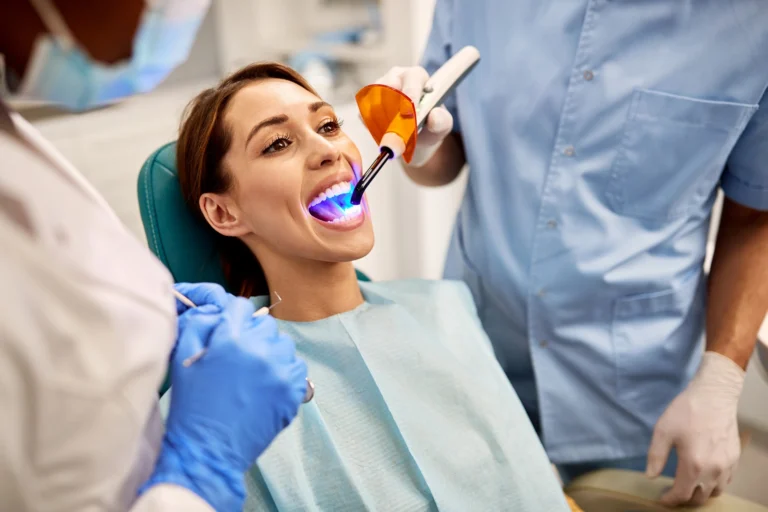
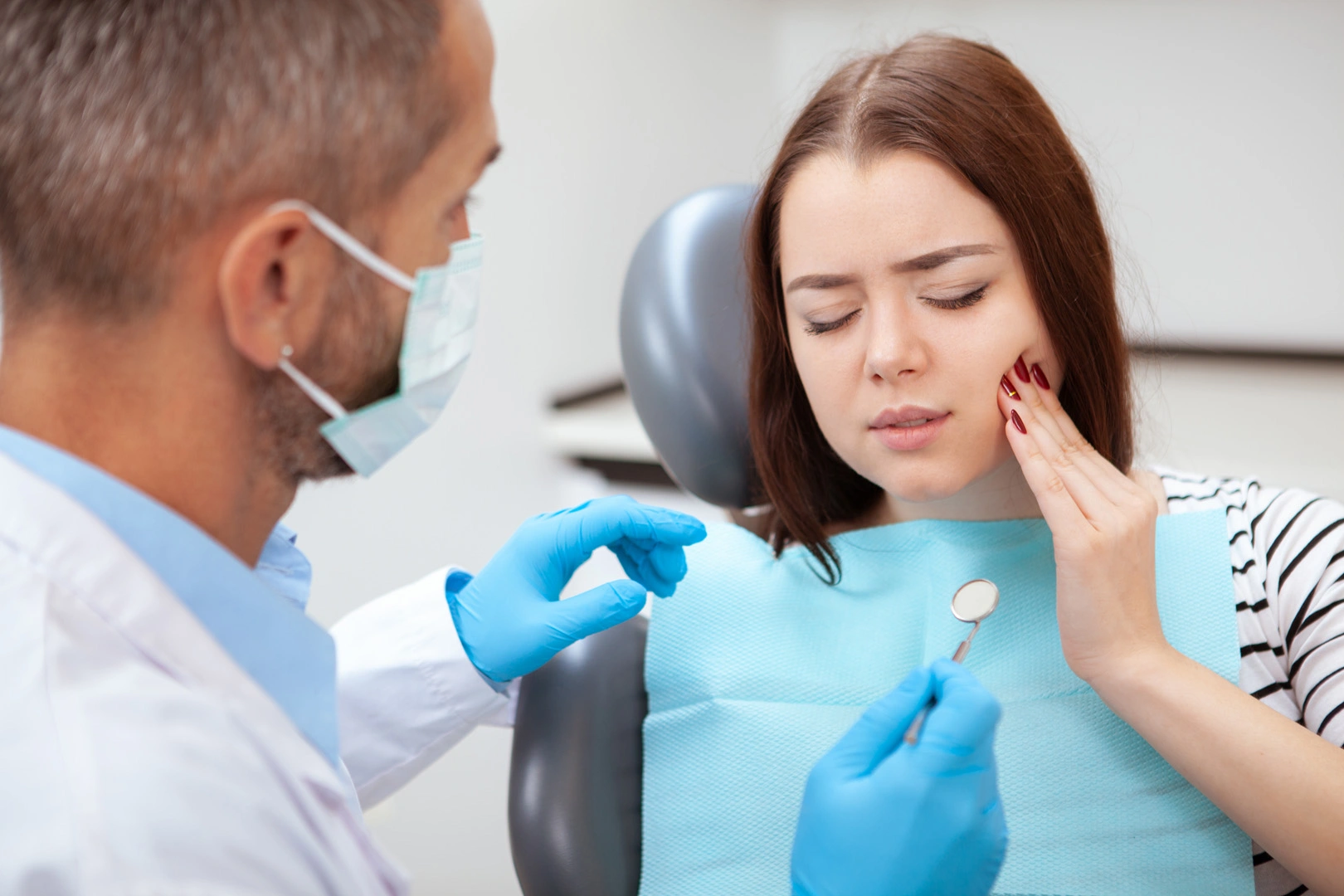
When a dental problem hits hard, people rarely stop to sort categories. They react to pain, blood, swelling, or panic. A parent sees a child holding a tooth in their hand. Someone wakes at 2 a.m. With one side of the face suddenly puffy and hot. A hockey player takes an elbow to the mouth and finds a front tooth loose. In that moment, the question becomes urgent and practical: do you call an emergency dentist, or do you go straight to the emergency room?
That distinction matters more than most people realize. The wrong first stop can waste precious time, add unnecessary cost, and in some situations put your health at risk. A true dental emergency is not always a hospital emergency, but sometimes it is. Knowing the difference helps you act quickly and with more confidence, especially when you are in pain and thinking clearly is harder than it should be.
For anyone dealing with a Dental Emergency Aurora situation, the key is to separate problems involving the teeth and gums from problems that threaten breathing, swallowing, or overall medical stability. Dentists and ER physicians do different jobs. Both are important. They simply are not interchangeable.
The simplest way to think about it
A useful rule from real practice is this: if the problem is mainly inside the mouth and can be treated with dental procedures, an emergency dentist is usually the right first call. If the problem affects your airway, causes uncontrolled bleeding, follows major trauma, or comes with signs of a spreading infection, the ER becomes the safer choice.
That may sound simple on paper, but real life is messier. Tooth pain can be severe enough to feel like a crisis. A dental abscess can start as local pain and become a broader medical problem. Facial injuries can involve both teeth and the jaw. Judgment matters.
An emergency dentist is equipped to diagnose and treat the tooth itself. That includes taking dental X-rays, stabilizing loose teeth, treating infections around a tooth, draining certain abscesses, repairing broken restorations, opening a tooth to relieve pressure, or extracting a tooth if necessary. An emergency room can manage pain, evaluate major infection, control bleeding, assess fractures, and protect the airway, but many ERs cannot perform the dental procedure that actually fixes the source of the problem.
That is why people who go to the ER for severe toothache often leave with temporary medication and instructions to see a dentist as soon as possible. The hospital can help you get through the immediate danger or discomfort. The dentist resolves the underlying cause.
When the ER is the better choice
There are times when waiting for a dental office to open is the wrong move. If your symptoms suggest that the issue is no longer just dental, do not gamble with it.
- Trouble breathing or swallowing, especially with swelling in the face, jaw, throat, or floor of the mouth
- Rapidly spreading facial swelling, fever, chills, or feeling weak and ill with a suspected dental infection
- Uncontrolled bleeding that does not slow after firm pressure
- Major trauma to the face or jaw, including suspected fracture, loss of consciousness, or deep cuts
- Severe swelling after a recent extraction or infection that seems to be getting worse by the hour
Each of those situations raises the stakes beyond a routine urgent dental visit. I have seen patients try to “sleep off” a swelling that began near a molar and woke up unable to swallow comfortably. That is not just a sore tooth anymore. A dental infection can spread into deeper tissues, and once it begins affecting the spaces under the tongue or around the throat, prompt medical care is essential.
Jaw injuries deserve the same level of seriousness. If someone cannot close their teeth together properly after a blow, hears clicking with pain near the joint, or has numbness in the lower lip after trauma, a fracture is possible. A dentist may still be involved later, but the first stop may need to be the ER or urgent medical evaluation with imaging.
When an emergency dentist is usually the right call
Most dental emergencies belong in a dental chair, not a hospital bed. The sooner you reach the right place, the more likely the tooth can be saved and the less likely the situation will spiral.
Severe toothache is one of the most common reasons people seek same-day care. Pain that throbs, wakes you from sleep, worsens with biting, or lingers after hot or cold often points to inflammation or infection inside the tooth. A dentist can test the tooth, identify whether the nerve is involved, and recommend treatment such as root canal therapy, drainage, or extraction.
A knocked-out permanent tooth is another classic dental emergency. Time matters enormously here. If the tooth is handled correctly and reimplanted quickly, sometimes within 30 to 60 minutes, the odds of saving it improve. An ER may be able to help in some settings, but an emergency dentist is generally better equipped to splint the tooth and manage follow-up.
Broken teeth also belong with a dentist unless the injury comes with major facial trauma. A chipped edge may wait a short time. A cracked tooth with pain on biting, exposed yellow dentin, or visible pink tissue needs faster attention. The same goes for crowns or fillings that fall out if the area is painful or sharp enough to injure your tongue or cheek.
An abscess near the gumline, a painful wisdom tooth flare-up, or a post-extraction complication like dry socket also fit the emergency dental category. These problems can be miserable, but they usually require dental treatment rather than hospital-level care.
The gray area, where people get stuck
Some situations are not clearly one or the other. A common example is facial swelling without trouble breathing. If the swelling is mild, local, and you can reach an emergency dentist quickly, a same-day dental visit is often appropriate. If it is firm, expanding, associated with fever, or pushing toward the eye or throat, that threshold shifts toward emergency medical care.
Another gray area is pain after dental work. Soreness after an extraction, root canal, or crown preparation is expected. Pain that steadily worsens after a day or two, especially with a bad taste, foul odor, swelling, or fever, suggests a complication. The first call should usually be the treating dentist. If they cannot be reached and you are developing systemic symptoms, the ER becomes a reasonable fallback.
Parents often face uncertainty when a child injures a tooth. A baby tooth knocked out is managed differently from a permanent tooth. Baby teeth are generally not reimplanted because doing so can damage the developing adult tooth underneath. A permanent tooth in an older child or teenager is different and should be treated urgently. In those moments, knowing the child’s age and whether the tooth is a primary or permanent one makes a real difference.
A practical test you can use at home
Ask yourself three questions.
First, is the person medically stable? If there is difficulty breathing, heavy bleeding, fainting, confusion, or significant trauma, think ER.
Second, is the main problem a tooth that likely needs a dental procedure? If yes, an emergency dentist is probably the better fit.
Third, is there rapid swelling or signs of infection spreading beyond the tooth? If yes, urgency rises, and medical evaluation may be needed even if the source is dental.
This quick sorting method is not perfect, but it helps when stress makes every symptom feel equally alarming.
What to do before you are seen
The gap between the injury and the appointment is where good decisions can prevent a bad situation from getting worse. Most home care is about protection, cleanliness, and buying safe time.
- For a knocked-out permanent tooth, pick it up by the crown, not the root. If dirty, rinse briefly with milk or saline, and try to place it back in the socket only if you can do so gently. If not, keep it in milk or inside the cheek if the person is old enough not to swallow it.
- For bleeding, apply firm pressure with clean gauze or cloth for 10 to 15 minutes without checking constantly.
- For swelling, use a cold compress on the outside of the face in short intervals.
- For pain, use over-the-counter medication as directed on the label, unless a physician has told you to avoid it.
- Do not place aspirin directly on the gum or tooth. It can burn tissue and creates more problems than it solves.
A brief note on rinses: warm salt water can soothe irritated gums and help keep the area cleaner, but it is not a treatment for an abscess or a cracked tooth. It is supportive care, not definitive care.
Why the ER often cannot fix a dental problem
This point frustrates patients, especially when they are charged for a hospital visit and still leave with tooth pain. It helps to understand the limitation. Emergency rooms are designed to stabilize urgent medical conditions, rule out threats to life or function, and manage acute symptoms. Most are not staffed or equipped for routine dental procedures such as root canals, crown recementation, or management of a fractured cusp deep in the mouth.
So if you present to the ER with severe dental pain but no dangerous swelling, no trauma, and no bleeding, the team may examine you, prescribe medication where appropriate, and tell you to see a dentist. That is not neglect. It reflects the structure of emergency medicine.
By contrast, an emergency dentist can numb the area, open the tooth to relieve pressure in some cases, smooth a fracture, place a sedative dressing, reattach or temporarily restore a broken tooth, or remove the source entirely if extraction is the right move. Those interventions target the cause, not just the symptoms.
Cost, time, and the hidden price of waiting
People often delay calling because they are worried about cost, or because they hope the pain will settle down on its own. Sometimes it does, briefly. A painful tooth can stop hurting if the nerve dies, but that is not healing. It often means the problem is moving deeper and may reappear as swelling or infection.
From a cost standpoint, an emergency dental visit is often less expensive than an ER visit for the same non-life-threatening issue. Exact numbers vary widely by location, insurance, and treatment required, so it is better to think in ranges rather than Dental Emergency Aurora promises. A focused urgent dental exam with X-rays is typically far below the cost of a hospital emergency visit. Once a problem advances, however, costs rise quickly. Saving a cracked tooth early may be straightforward. Waiting until it splits below the gumline can turn a restorable tooth into an extraction followed by an implant, bridge, or partial denture.
There is also the biological cost. Teeth do not regenerate like skin. Lost tooth structure, deep cracks, and long-standing infection have consequences that can outlast the original episode by years.
The Aurora factor, access and timing matter
In a Dental Emergency Aurora setting, geography and timing influence decision-making more than people think. If a local emergency dentist can see you within the hour, that is different from being stranded overnight with worsening swelling and no provider available. Weekends, holidays, weather, and transportation all affect the safest choice.
This is where preparation helps. Most people keep a family physician’s number handy but not a dentist’s after-hours information. That becomes a problem at exactly the wrong moment. Families with active kids, anyone in orthodontic treatment, and patients with a history of broken teeth or recurrent infections are wise to know in advance which dental office offers emergency care and what the after-hours protocol is. Those few minutes of planning can save a lot of frantic searching later.
Common scenarios and the right first move
A teenager chips a front tooth on the basketball court, the tooth is sensitive to air, but there is no facial injury and no bleeding beyond the lip. That is usually an emergency dentist visit, same day if possible.
An adult has deep aching in a lower molar for three days, now with swelling along the jaw and a low fever. If they can be seen immediately by a dentist, that may be appropriate. If the swelling is quickly expanding, they feel sick, or swallowing becomes uncomfortable, the ER is safer.
A man falls on ice, bites through his lip, and cannot bring his teeth together normally afterward. That raises concern for jaw injury. The ER becomes the right first step.
A woman loses a crown on a Friday evening. If there is little pain and the tooth is not broken, she may be able to wait until the next dental opening, keeping the tooth clean and avoiding sticky foods. If the exposed tooth is sharply painful or the tooth underneath fractures, it becomes more urgent.
A parent finds a permanent tooth knocked out during soccer practice. The tooth is placed in milk and the family heads straight to an emergency dentist. That is exactly the kind of fast, effective response that can change the outcome.
Pain level alone is not the deciding factor
One of the most misleading assumptions is that the worst pain must belong in the ER. Dental pain can be excruciating without being medically dangerous, and serious infections can sometimes begin with surprisingly little discomfort. Pain matters, of course, but it should be interpreted alongside swelling, fever, trauma, bleeding, and the person’s ability to breathe and swallow normally.
That is why a raging toothache at midnight may still be best handled by arranging urgent dental care first thing in the morning, while a moderate tooth-related swelling with fever may justify a much faster escalation. Severity is not just about how much it hurts. It is about what the body is telling you.
How dentists and ER doctors work together
The best outcomes often come when both sides do their part. The ER stabilizes a dangerous infection, manages dehydration, evaluates trauma, or starts treatment for a broader medical issue. The dentist then treats the tooth, gum, or jaw source. This handoff is common and appropriate.
There are also patients whose medical conditions complicate the picture. Someone on chemotherapy, someone with uncontrolled diabetes, someone taking blood thinners, or someone with significant heart disease may need a more cautious approach. In those cases, the line between dental and medical urgency can shift, and coordination matters more. Professional judgment is especially important there.
The bottom line people actually need
If the problem is a tooth, crown, filling, gum abscess, or knocked-out permanent tooth, start with an emergency dentist whenever possible. If the problem includes difficulty breathing, difficulty swallowing, uncontrolled bleeding, major facial trauma, or infection that appears to be spreading fast, go to the ER.
That is the practical answer behind most Dental Emergency Aurora decisions. It is not about which option sounds more serious. It is about which setting can best treat what is happening right now.
When people get this right, they save time, protect teeth, and avoid complications. When they wait too long or choose the wrong setting, the same problem often becomes more painful, more expensive, and harder to solve. In urgent dental care, good judgment is not abstract. It changes outcomes, sometimes within hours.
Aspenwood Dental Associates and Colorado Dental Implant Center
2900 S Peoria St Ste C, Aurora, CO 80014, United States
+1 303-731-4037
FAQ About Dental Emergency Aurora
What qualifies as a dental emergency?
A dental emergency is any oral injury or condition that involves severe pain, uncontrolled bleeding, or a potential infection that puts a tooth or your overall health at risk.
Can the ER do anything for a tooth?
AI Overview An emergency room (ER) cannot fix or pull a tooth, perform root canals, or provide long-term dental care, because most ERs do not have dentists on staff.
What is the 3-3-3 rule for tooth infection?
The 3-3-3 rule for a tooth infection or severe toothache is a short-term over-the-counter pain management strategy. It involves taking 600 mg of ibuprofen (typically three 200 mg tablets) 3 times a day for no more than 3 days.